Wheelwright Museum of the American Indian
EXECUTIVE DIRECTOR
Santa Fe, NM
APPLICATION DEADLINE: CLOSED
Santa Fe’s Wheelwright Museum of the American Indian (WMAI) is seeking an experienced and ambitious Executive Director with a deep knowledge of Native American art and culture. The Wheelwright’s unique origin story, rich exhibition history, and acclaimed collections have driven current institutional momentum. Now with a focus on the future, the next Executive Director will bring strategic vision, strong fundraising skills, and a collaborative leadership style to guide the Museum into an ambitious new chapter as it approaches its 2037 Centennial.
The successful candidate will be an experienced museum director or an institutional leader with a minimum of five years of museum or related organizational experience. Reporting to the Board of Trustees, the Director will work with staff, Board, and external partners to broaden the impact of the Wheelwright’s mission and vision through its exhibitions, collections, and programs locally and beyond. They will bring first-hand, practical experience working with Indigenous communities and artists, a demonstrated commitment to ethical museum practices, and a reputation for engaging a variety of communities and constituencies.
The Museum enters this leadership transition from a position of excitement and opportunity. Recent years have brought further strengthened professional practices, strategic staff investment, disciplined fiscal stewardship, and renewed fundraising activity, including a $2 million Mittler Foundation gift for facility enhancement for collection presentation. Curatorial ambition has continued to expand, prioritizing Native-curated and artist-led exhibitions, stronger integration of community voices into programming, and a celebration of contemporary Indigenous innovation, not solely tradition.
The Wheelwright Museum’s mission is to respect, support, record, and present the living traditions and creative expressions of Native American peoples. Located within Santa Fe’s nationally recognized cultural landscape, WMAI occupies a distinctive position among Native American museums nationwide and is well positioned to expand its influence and reach in the years ahead.
About the Museum
Founded in 1937 through the partnership of Diné ceremonial practitioner and weaver Hastiin Klah and Mary Cabot Wheelwright, the Wheelwright Museum of the American Indian was established to preserve and interpret Navajo ceremonial knowledge, philosophy, and artistic traditions. Originally named the House of Navajo Religion, the Museum reflected a shared commitment to safeguard cultural knowledge during a period of significant social and cultural change in the American Southwest.
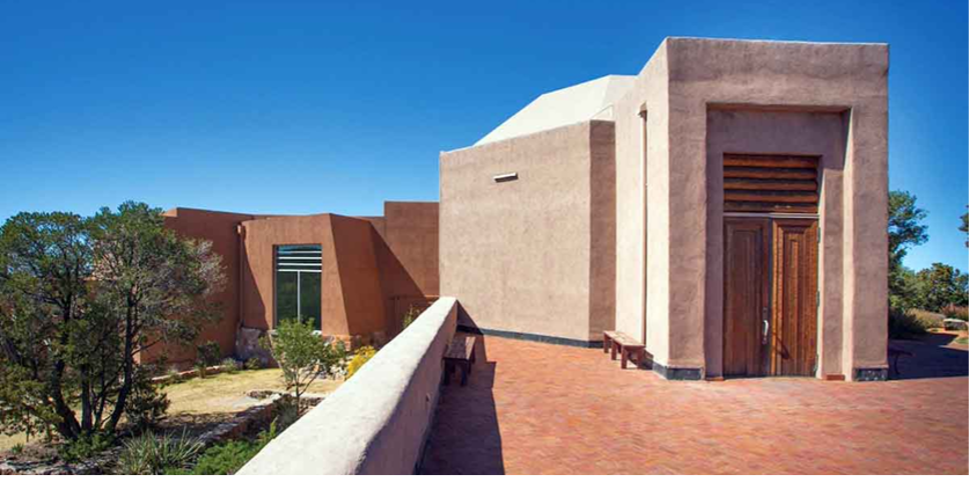
Situated on 8.5 acres on “Museum Hill” just a 10-minute drive from Santa Fe’s Plaza, the original structure, designed by William Penhallow Henderson, was conceived as a modern interpretation of a Navajo hooghan and remains one of Santa Fe’s most distinctive museum buildings. Over time, the campus expanded to include additional galleries, collections storage, archives, educational facilities, and the Case Trading Post, established in 1975 to support Native artists and provide an important earned-income and public-engagement component for the Museum.
The Museum’s early mission focused on Navajo ceremonial arts, ethnographic interpretation, and education. By the 1970s, the institution began shifting toward broader representation of Native American art and contemporary artistic practice. During this period, the Museum also returned important Navajo ceremonial items to the Navajo Nation, becoming one of the first museums in North America to return culturally sensitive materials prior to the enactment of federal repatriation legislation. The Museum continues its active dialogue with the Navajo Nation.
Today, the Wheelwright’s collection of 12,000 items includes historic and contemporary jewelry, textiles, paintings, sculpture, works on paper, archives, and ceremonial materials, with particular strengths in Southwestern Native jewelry and contemporary Native art. The opening of its permanent jewelry exhibition and study center further established the Museum as a leading institution for the presentation and scholarship of Native jewelry traditions. Across its history, the Wheelwright has evolved from a museum focused primarily on ceremonial preservation into a nationally respected institution dedicated to Native artists, scholarship, and contemporary expression, at a moment when Indigenous perspectives are increasingly central to national cultural conversations.
The Opportunity
At the Wheelwright, the Museum’s legacy continues to grow through contemporary voices and ideas. With its original core purpose to research, document, and preserve sacred Diné ceremonial traditions and then shifting and broadening focus to champion contemporary Native artists and new artistic voices, the Wheelwright enters its next chapter with a remarkable institutional foundation. Many see an opportunity for bold, forward-looking leadership that builds upon the Museum’s historic DNA while honoring Native voices through creative, evolving forms of artistic and cultural practice.
The Museum is small but is poised to pursue thoughtful, long-term growth.
The current 11-member staff accomplish an impressive range of work with a budget of $1.8 million annually, and a $7.6 million General Endowment and $900,000 in Collections Endowment. An energized Board is stepping up with a commitment to strengthen Board capacity, advance institutional stewardship, and make serious commitments to high-performance leadership. The incoming Director will work with a group aligned around long-term goals, thoughtful institutional partnerships, and philanthropic engagement.
Situated within one of the most culturally dense small cities in the United States, WMAI offers the opportunity to lead within Santa Fe’s distinctive concentration of museums, artists, curators, scholars, collectors, and cultural travelers. This rare environment can help facilitate cross-disciplinary connections and ensure that Native artistic production remains visible, active, debated, and continually evolving in real time. It is shaped by a powerful sense of place tied to Indigenous histories, artistic production, and cultural continuity. Together, these dynamics create an unusual opportunity for leadership that is both historically grounded and future oriented.
Recent underwriting from the Andrew W. Mellon Foundation for three-year support of archive and collection digitization, and from the Andy Warhol Foundation for the Visual Arts in support of the exhibition Outburst: Native American Art After Vietnam, illustrates national recognition of the Wheelwright’s scholarly and artistic leadership, as well as its capacity to secure major philanthropic support for exhibitions, research, and collections initiatives.
Challenges
The Wheelwright’s strong reputation, loyal constituency, and distinctive institutional identity create meaningful opportunities for expanded impact and national visibility. At the same time, sustaining that growth within the realities of a relatively small organization will require careful prioritization, operational focus, and thoughtful leadership capable of balancing ambition, sustainability, audience development, and mission alignment.
The concentration of museums, cultural organizations, collectors, and high-profile events in Santa Fe creates a uniquely dynamic and interconnected arts ecosystem. While this environment encourages collaboration and cross-institutional partnership, it also demands increasing sophistication in visibility, fundraising, audience development, and institutional positioning. The next leader will be expected to elevate the Wheelwright’s profile while broadening philanthropic support from individuals, foundations, and granting agencies.
The Wheelwright has long engaged questions of Indigenous authority, consultation and ceremonial stewardship through ongoing dialogue with the Navajo Nation, ensuring collecting with deep cultural sensitivity. Balancing this relationship-centered and deliberative work with ambitions for broader institutional visibility, audience expansion, and national impact will require leadership that is both strategic and culturally grounded.
Key Qualifications and Skill sets
First-hand knowledge and practical experience with Native American art, culture and communities. Strong working knowledge of NAGPRA and related intellectual, aesthetic, and ethical issues and practices associated with working across diverse Native American communities and collections.
Proven track record of securing significant philanthropic support, including cultivating, soliciting, and closing major gifts, and working effectively and enthusiastically with boards and development teams.
Experience leading diverse teams and volunteers, including motivating, delegating, monitoring, and holding staff accountable, while fostering collaboration and supporting a positive organizational culture.
Graduate degree in Art History, Native American Studies, Museum Studies, or a related field preferred, or equivalent experience. B.A. required.
Five or more years’ experience as a museum director or similar institutional leader in a related field; art museum experience preferred
Demonstrated ability to deliver compelling museum exhibitions, educational programs, publications, and collection development initiatives.
Experience developing and implementing strategic plans, such as museum programs and collections, financial management, staffing, operations, facilities, and campus infrastructure.
Institutional fiscal management skills, including developing and overseeing operating budgets, ensuring sound fiscal practices, and understanding the challenges of revenue variability and cash flow in nonprofit organizations.
Commitment to engaging diverse audiences and fostering inclusive and welcoming environments that serve a broad range of New Mexicans, including maintaining respectful and meaningful relationships with Tribal communities.
Strong interpersonal and communication skills, with the ability to serve as a visible and effective ambassador. Proven success in developing meaningful relationships with peers, community leaders, stakeholders, and partner organizations.
RESPONSIBILITIES AND EXPECTATIONS
The next leader of the Wheelwright Museum will be an experienced museum director or institutional leader who brings focus and vision, fundraising expertise, and a collaborative leadership style to guide the Museum towards its long-term goals. Responsibilities include leading and implementing the Museum’s long-range strategic plan, partnering closely with the Board of Trustees on governance and fundraising, and increase institutional capacity through thoughtful hiring and organizational development. The role also includes leading fundraising initiatives, supporting financial sustainability and operational management, overseeing policies, facilities and human resources, and advancing key capital and campus projects, including the Mittler Gallery renovation. The Executive Director will work collaboratively with curatorial and program staff to support exhibitions, educational programming, collections stewardship and audience engagement while upholding strong ethical standards related to Native collections and community partnerships. As the Museum’s primary spokesperson, the Executive Director will expand and diversify audiences, strengthen relationships locally and nationally and elevate awareness of the Wheelwright Museum.
More specifically, these duties include the following:
Leadership, Management, Planning
In consultation with the Board of Trustees, review and comment, alter or finalize, and implement the draft Long-Range Strategic Plan to advance institutional priorities, align and develop resources, and strengthen financial sustainability. Five-year objectives include elevating the Museum’s stature, advancing a campus master plan, and increasing financial stability.
Build strong relationships with Trustees, partnering with the Board in fundraising, advocacy, and expanded engagement with audiences, institutions, and Native communities.
Sustain a culture of excellence, trust, and empowerment while supporting professional and personal growth. Opportunities to recruit, supervise, and support several new full-time staff and/or contractors, in Development, Programming/Education, Marketing, and Administration.
Development, Finance, Operations
In collaboration with a Development Director, actively cultivate, solicit, and secure gifts from individuals, foundations, corporations, and public funding sources in support of annual operations, exhibitions and programs, art acquisitions, and planned giving initiatives. Plan and, if a feasibility study so indicates, implement a phased, comprehensive capital campaign. Work closely with the Board to expand and diversify the donor base, strengthen regional and national relationships.
In collaboration with the Chief Finance Officer/Chief Operating Officer, provide oversight of financial operations, improve consistency in revenue and cash flow, and support long-range financial planning. Identify and pursue opportunities to build earned income. In partnership with the Foundation Board, steward and grow the Endowment.
In partnership with the Board, staff, and consultants, provide oversight of policies and procedures, facilities maintenance and improvements, and human-resource practices.
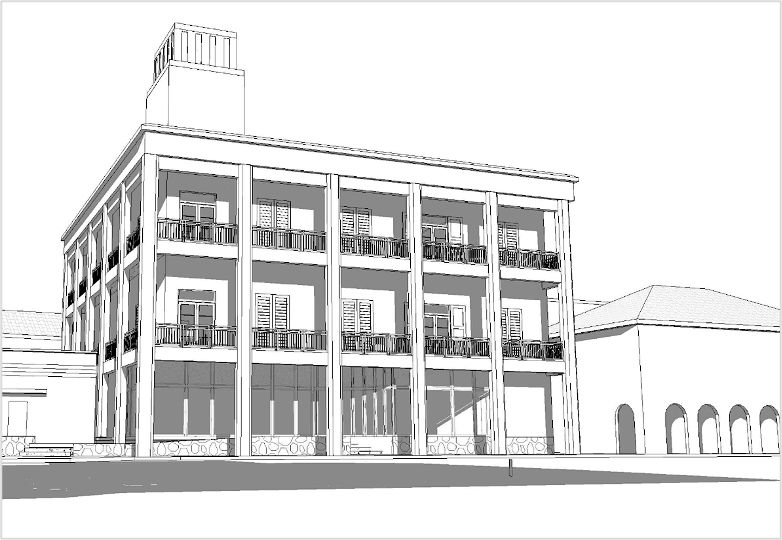
In collaboration with the Board Building and Grounds Committee and architectural, engineering and design partners, supervise the lower-level gallery remodel dedicated to the transformative gift of Cochiti Storytellers and Mono Figures and funds from the Mittler family to provide for its display.
Museum Programming
Work collaboratively with curatorial and program staff to organize, plan, and promote a diverse and dynamic rolling three-year exhibition schedule that broadens audience appeal and aligns with strategic priorities. Help elevate the Museum’s stature and visibility through collaborative curatorial projects, multi-site exhibitions, and traveling WMAI exhibitions. While the Executive Director need not be a curator, they must bring enthusiasm for art, along with the knowledge and credibility to support the Museum’s curatorial vision.
Uphold the ethical and professional standards in the Collections Management Policy. Explore creative and strategic opportunities to expand representation of historically underrepresented artists and voices, while engaging regional artists, maintaining scholarly priorities, and incorporating audience interests to deepen the collection’s range and impact.
Foster engagement across generations and visitor profiles to deepen participation, extend community engagement, encourage repeat visitation, and increase membership. Several Santa Fe art-museum colleagues have expressed interest in developing deeper relationships and innovative collaborations.
Continue building reciprocal relationships with the Navajo Nation and other Tribal communities through consultations that exemplify culturally sensitive stewardship and appropriate access to collections.
Increase access for scholars, museum guests, and virtual audiences through programming, publications, and online initiatives.
Community Engagement and Audience Development
Represent the Museum locally, regionally, and nationally, bringing an energetic and thoughtful voice that elevates the institution’s profile. As the Museum’s primary ambassador, build relationships with civic, cultural, educational, and business partners, strengthening the Museum’s presence in Santa Fe and the broader region.
In collaboration with Marketing staff and contractors, increase visitation and participation through an ambitious marketing strategy that broadens the Museum’s appeal and positions WMAI as accessible and welcoming to a wide range of constituencies.
Leverage WMAI’s current profile, personal networks, and professional activities to share the museum’s history and its deep connections to Native American art, artists, culture, and collections, with the goal of developing collaborations, partnerships and cultural exchange.
We recognize that it is highly unlikely that an applicant meets 100% of the qualifications for a given role. Therefore, if much of this job description describes you, then you are highly encouraged to apply for this role.
Compensation
The salary range is $190,000-$230,000, commensurate with experience, plus benefits.
HOW TO APPLY
To apply in confidence, submit your application online at HERE by August 28, 2026.
For inquiries or nominations, contact Dana Friis-Hansen, Senior Search Consultant, Museum Search & Reference, via SearchandRef@museum-search.com.
A complete application should include:
1) A cover letter expressing interest in the position and giving brief examples of past related experience.
2) A résumé.
3) The names and contact information for three professional references able to evaluate your leadership and work, indicating their relationship with you.
Nominations are welcome.
Applicants are encouraged to apply early as candidates will be considered on a rolling basis. All applications and nominations are kept confidential; we will not contact references without your permission. EA/EO. For more details, visit: www.museum-search.com/open-searches.
ABOUT SANTA FE
Santa Fe’s distinctive character emerges from centuries of interaction among Native American communities, Hispanic traditions, artists, traders, scholars, and newcomers drawn by the region’s landscape, creative energy, and spirit of inquiry. With its metropolitan population of 150,000, it is one of the most culturally concentrated small cities in the United States in which to live, work, and participate in civic and creative life. Along with a dozen major museums and many more galleries and innovative nonprofits, institutions such as the School for Advanced Research, the Institute of American Indian Arts, St. John's College, and Los Alamos National Laboratory contribute to a community that values intellectual inquiry, creativity, and exchange across institutions and disciplines.
For many residents, Santa Fe’s appeal lies in its manageable scale, balanced pace of daily life, and strong sense of community. The city combines an active cultural calendar with internationally recognized musical organizations, locally rooted festivals, historic architecture, mountain scenery, a respected culinary scene, farmers markets, which foster a strong sense of belonging. Hiking, skiing, cycling, rafting, and access to public lands are available year-round, and the city’s four-season high-desert climate, with over 300 days of sun annually, contributes to an exceptional quality of life.
Less than an hour from Albuquerque, residents benefit from its expanded access to higher education, healthcare systems, transportation infrastructure, and other metropolitan amenities. For national connectivity, Santa Fe Regional Airport offers direct service to five major cities, while Albuquerque International Sunport provides nonstop access to more than 32 domestic destinations.