BALTIMORE MUSEUM OF INDUSTRY
EXECUTIVE DIRECTOR
Baltimore, MD
Application Deadline: December 29, 2026
APPLY ONLINE: https://rcly.link/Xbu
The Baltimore Museum of Industry (BMI) invites applications for the position of Executive Director at a time when the changing nature of work, technology, and industry gives its mission particular relevance. Located on Baltimore's historic waterfront, BMI tells the stories of the people and enterprises that shaped the city's industrial past while exploring the forces transforming work and society today. The next Executive Director will have an opportunity to build on the Museum's educational and interpretive strengths, broaden its reach and influence, and develop compelling programs and partnerships that attract audiences and investment. Working with an experienced staff and committed Board of Trustees, the Executive Director will advance the Museum's ambitions while strengthening its organizational capacity and long-term financial sustainability.
Baltimore Museum of Industry
Founded in 1979, the Baltimore Museum of Industry preserves and interprets the region's rich industrial heritage and the experiences of the people whose work shaped the city. Over the past several decades, BMI has evolved from a museum focused primarily on industrial artifacts and technologies into an institution that places workers, communities, and innovation at the center of its storytelling. Its mission is to "interpret the diverse and significant human stories behind labor and innovation in Baltimore, cultivating a sense of belonging and inspiring visitors to think critically about the intersection of work and society."
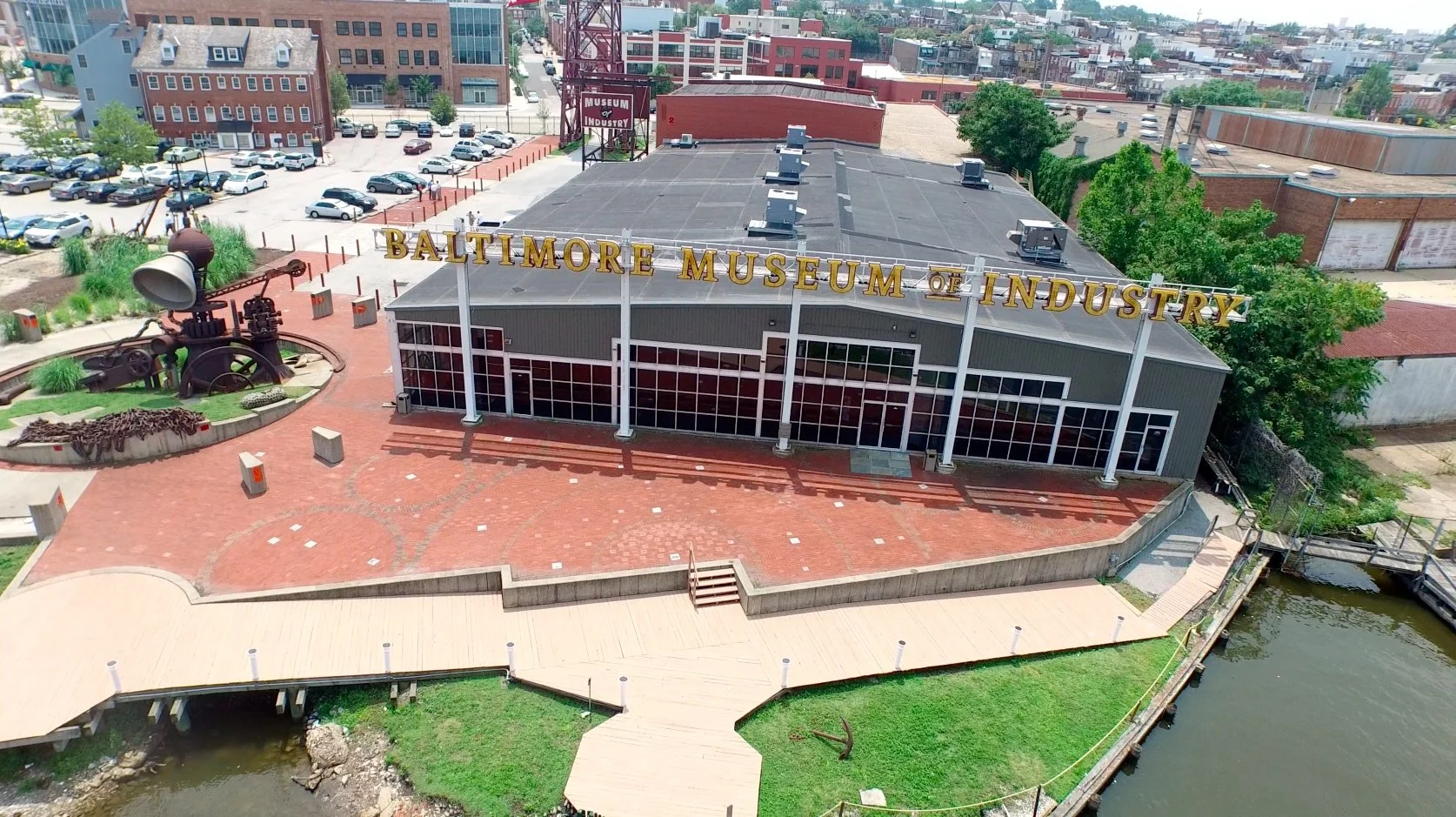
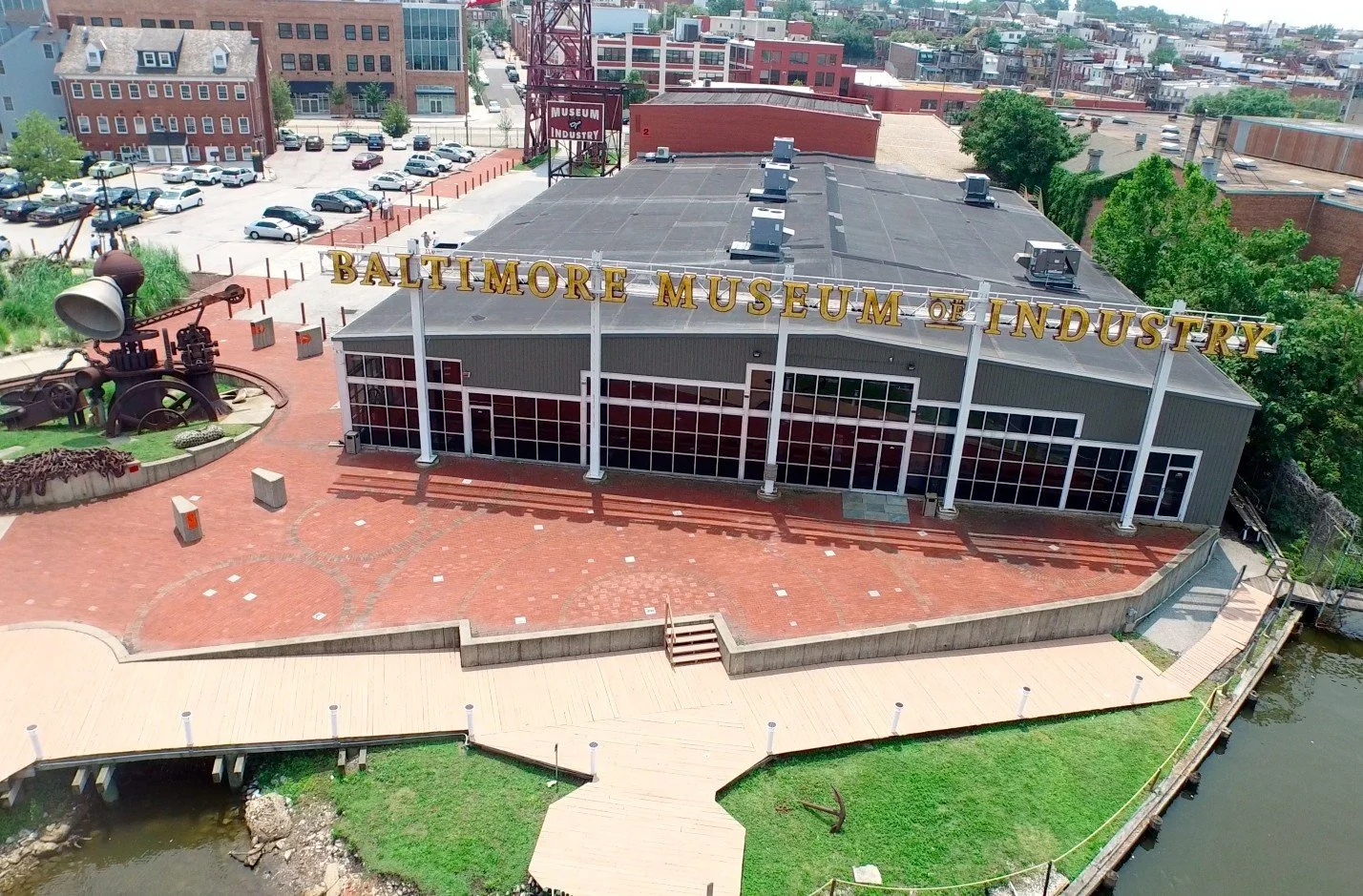
The Museum occupies a historic former oyster cannery on the south shore of Baltimore's Inner Harbor, a setting that connects its exhibitions and programs to the city's industrial and maritime past. The building is owned by the City of Baltimore and leased to BMI for a nominal $1 annually. It is situated on an approximately five-acre waterfront campus, which includes direct access to the harbor. The Museum’s permanent exhibitions re-create historic workplaces and explore industries that helped build Baltimore, including manufacturing, food processing, printing, transportation, and communications.
Changing exhibitions have included Women of Steel, highlighting the experiences of women employed at Bethlehem Steel's Sparrows Point plant; Collective Action, exploring labor activism in 21st-century Baltimore; and Key Bridge: Building a Baltimore Landmark, examining the bridge's construction and history and laying the groundwork for a major new exhibition, scheduled to open in 2027, about the historic 2024 Key Bridge collapse and the Port of Baltimore. Public programs include Then & Now, a series connecting historical and contemporary industries; Industry Social Club, which brings together Baltimore professionals and entrepreneurs; and the Museum's popular seasonal farmers market. Together, these activities connect Baltimore's industrial history to contemporary questions about work, technology, and community.
Education is central to BMI's mission. The Museum offers fourteen educational programs aligned with Maryland's educational standards, using hands-on experiences and historical interpretation to engage students in the history and future of work. In fiscal year 2026, BMI served approximately 25,800 students, teachers, and chaperones, including more than 3,900 students from Title I schools who received substantially subsidized admission. Its Maryland Engineering Challenges program engaged an additional 1,500 young participants and attendees in engineering and problem-solving activities. Overall, BMI welcomes more than 89,000 visitors annually.
BMI maintains extensive collections, including 750,000 objects and 4,500 linear feet of archival materials that illuminate the economic and social history of Baltimore and Maryland. Recent additions include the Baltimore Gas and Electric archives and the A. Aubrey Bodine photographic collection. The Museum has strengthened its collections management and documentation practices and continues to expand access to these resources through exhibitions, research, and interpretation.
The Museum's waterfront campus is both a distinctive institutional asset and an important community gathering place. In addition to its exhibition spaces, BMI offers indoor and outdoor facilities for weddings, corporate functions, and other events, providing a significant source of earned income. The campus also hosts community activities and occupies a prominent position along a developing stretch of Baltimore's waterfront.
BMI operates with an annual budget of approximately $3 million through a combination of philanthropic contributions, government grants, educational programs, and earned revenue including admissions and facility rentals. The Museum employs seventeen full-time and 30 part-time staff members, supported by volunteers, and is governed by a Board of Trustees of nineteen members drawn from Baltimore's business, civic, and cultural communities. Its senior leadership team oversees curatorial affairs, education and visitor engagement, development, marketing and communications, and operations and finance.
Under the twelve-year leadership of retiring Executive Director Anita Kassof, BMI has strengthened its professional staff, expanded its community-centered interpretation, improved collections stewardship, and established a more collaborative organizational culture. The Museum enters this leadership transition with an experienced team, a distinctive mission, and significant opportunities to strengthen its role in Baltimore's cultural and civic life.
The Opportunity
BMI has strengthened its exhibitions, educational programs, collections stewardship, and community engagement over the past decade, establishing a solid foundation for future growth. With a mission that speaks directly to contemporary issues surrounding work, technology, and society, and a distinctive waterfront campus, BMI is well positioned to expand its reach and influence. The next Executive Director will have the opportunity to build on these strengths while advancing several important institutional priorities, including the following:
Advance a compelling institutional vision. BMI's existing strategic plan and its experienced staff provide a strong foundation for future development. The next Executive Director will build on this foundation, bringing intellectual curiosity and programmatic vision to strengthen the Museum's relevance to contemporary issues involving work, technology, industry, and society. Working collaboratively with trustees and staff, the Executive Director will advance and, as appropriate, refine the Museum's strategic priorities, developing a compelling vision that guides institutional growth, inspires audiences, and attracts philanthropic investment and partnerships.
Strengthen revenue generation and fundraising. Recent operating deficits and fluctuations in contributed income underscore the importance of developing a more sustainable financial model. Working closely with the Director of Development, the Board of Trustees, and other senior staff, the Executive Director will expand individual philanthropy, cultivate major gifts, strengthen corporate and foundation partnerships, and identify new opportunities for earned revenue. The Executive Director will take an active role in building relationships with significant supporters and engaging trustees in fundraising. Longer-term goals include establishing an endowment.
Advance programming and activate the waterfront campus. BMI's exhibitions, educational programs, collections, and five-acre waterfront property provide exceptional opportunities to expand its public reach and influence. The next Executive Director will work with staff to develop compelling exhibitions and educational initiatives, strengthen community partnerships, and explore new uses of the campus for public programming, community engagement, and earned revenue. Emerging development plans for the surrounding area and proposed improvements to the waterfront promenade offer additional opportunities to strengthen the Museum's connections to neighboring communities. The Executive Director will help ensure that programmatic ambitions and campus development reinforce one another while advancing BMI's mission and long-term financial sustainability.
Responsibilities and Expectations
Reporting to the Board of Trustees, the Executive Director serves as the Baltimore Museum of Industry's chief executive officer, with overall responsibility for institutional leadership, financial sustainability, organizational management, and external relations. The Executive Director will work closely with trustees and staff to advance BMI's mission, strengthen its resources, and expand its role in Baltimore's cultural and civic life. Expectations include:
Strategic Leadership and Governance
Provide intellectual and strategic leadership that connects BMI's historical mission and collections with contemporary issues surrounding work, technology, industry, and society, inspiring compelling exhibitions, programs, and partnerships.
Work collaboratively with trustees and senior staff to advance and, as appropriate, refine the Museum's existing strategic plan, establishing priorities that align institutional ambitions with available resources.
Serve as the Board's principal advisor, providing timely and meaningful information to support effective governance, informed decision-making, and long-term institutional planning.
Cultivate an engaged and productive Board partnership, encouraging trustees to serve as ambassadors, advocates, and philanthropic partners.
Fundraising and Resource Development
Provide leadership for BMI's fundraising and resource development efforts, working in close partnership with the Director of Development and Board of Trustees to establish priorities, cultivate significant supporters, and expand philanthropic investment.
Take an active role in developing relationships with individual donors, corporate and foundation leaders, government officials, and other institutional supporters, including participating personally in major-gift cultivation and solicitation.
Articulate a compelling vision for BMI and its programs, translating institutional priorities into opportunities for philanthropic investment, sponsorships, and strategic partnerships.
Financial and Operational Leadership
Provide strategic financial leadership in partnership with the Director of Finance and Operations, ensuring sound budgeting, effective financial oversight, responsible management of expenses, and stewardship of the Museum's assets and resources.
Work with senior staff and trustees to strengthen earned and contributed revenue, evaluate existing business activities, and develop new sources of income that support long-term financial sustainability.
Oversee the Museum's facilities and waterfront campus, including maintenance, capital improvements, and planning for expanded public use, partnerships, and revenue-generating opportunities.
Ensure effective management of Museum operations, including exhibitions, educational programs, collections stewardship, visitor services, technology, and administrative systems.
Staff Leadership and Organizational Culture
Lead, support, and develop BMI's experienced leadership team and professional staff, fostering a collaborative and inclusive workplace that values initiative, open communication, mutual respect, and shared accountability.
Establish clear responsibilities and expectations, promote accountability and professional growth, and ensure effective coordination and communication across departments.
Assess organizational capacity and staffing needs, identifying opportunities to strengthen systems, improve efficiency, and support staff as institutional priorities evolve.
Recognize and support the contributions of volunteers and other individuals whose involvement enriches the Museum's programs and community connections.
External Relations and Community Engagement
Serve as BMI's principal spokesperson and ambassador, establishing a visible and active presence in Baltimore's civic and cultural life and building strong relationships with the city's business, industrial, philanthropic, educational, and community leaders.
Strengthen partnerships with corporations, universities, schools, labor organizations, community groups, and other institutions whose interests intersect with the Museum's mission.
Expand BMI's visibility and public engagement through effective communication, civic participation, and collaborations that attract new audiences and supporters.
Represent BMI in discussions concerning waterfront development, neighborhood planning, and other initiatives affecting the Museum's campus and its role in the surrounding community.
Experience, Skills, and Attributes
The successful candidate will be a dynamic and resourceful leader with a commitment to BMI's mission and the ability to advance its institutional ambitions while ensuring long-term financial sustainability. Candidates should demonstrate many of the following qualifications and attributes:
A minimum of five years of significant senior leadership experience in a museum, cultural institution, nonprofit organization, or related field, with demonstrated success in strategic planning, organizational management, and institutional development.
A record of fundraising success or demonstrated aptitude for cultivating donors, securing philanthropic investment, and building productive relationships with corporate, foundation, government, and individual supporters.
Strong financial and business management skills, including experience with budgeting, financial oversight, revenue development, and the effective allocation of organizational resources.
An entrepreneurial outlook and the ability to identify opportunities for partnerships, earned revenue, and creative uses of institutional assets while maintaining a clear commitment to mission.
Intellectual curiosity and a strong appreciation for industrial history, the history of technology, and the role of work in society, with the ability to develop a compelling intellectual and programmatic vision that connects these subjects to contemporary issues and engages diverse audiences.
Demonstrated ability to work effectively with a governing board, providing strategic guidance, fostering productive relationships, and engaging trustees in institutional advancement.
Strong interpersonal and staff leadership skills, with a collaborative management style that encourages initiative, supports professional development, and promotes accountability, mutual respect, and sound decision-making.
Excellent communication and relationship-building skills, with the confidence and presence to represent BMI effectively among civic leaders, business executives, donors, community organizations, and the public.
A genuine interest in Baltimore, its communities, and its industrial and cultural heritage, together with a commitment to becoming an active and engaged participant in the city's civic life.
A bachelor's degree is required; an advanced degree in museum studies, history, public history, nonprofit management, or a related discipline is preferred. Equivalent combinations of education and substantial relevant professional experience will be considered.
We recognize that it is highly unlikely that someone meets 100% of the qualifications for a role. If much of this job description describes you, then please apply for this position.
Compensation
The salary range is $150,000–$190,000, commensurate with experience, plus an attractive benefits package that includes paid holidays; sick time and personal time; health, dental, and vision insurance; a 403(b) plan with an employer match; and free on-site parking.
How to Apply
To apply in confidence, submit application online HERE by December 29, 2026.
A complete application should include:
A cover letter expressing interest in the position and giving brief examples of past related experience.
A résumé.
The names and contact information for three professional references, indicating your relationship with them—preferably supervisors and/or direct reports.
Applicants are encouraged to apply early, as candidates will be considered on a rolling basis. All applications and nominations are kept confidential; we will not contact references without your permission. Nominations are welcome.
Questions should be directed to Dan Yaeger, Senior Search Consultant, Museum Search & Reference, via SearchandRef@museum-search.com.